| CVE |
Vendors |
Products |
Updated |
CVSS v3.1 |
| A vulnerability was found in PHPGurukul Restaurant Table Booking System 1.0 and classified as critical. Affected by this issue is some unknown functionality of the file /admin/add-subadmin.php. The manipulation of the argument fullname leads to sql injection. The attack may be launched remotely. The exploit has been disclosed to the public and may be used. Other parameters might be affected as well. |
| A vulnerability was found in PHPGurukul Old Age Home Management System 1.0. It has been classified as critical. This affects an unknown part of the file /admin/profile.php. The manipulation of the argument adminname/contactnumber leads to sql injection. It is possible to initiate the attack remotely. The exploit has been disclosed to the public and may be used. |
| A vulnerability was found in PCMan FTP Server 2.0.7. It has been rated as critical. Affected by this issue is some unknown functionality of the component BELL Command Handler. The manipulation leads to buffer overflow. The attack may be launched remotely. The exploit has been disclosed to the public and may be used. |
| A vulnerability classified as critical has been found in PCMan FTP Server 2.0.7. This affects an unknown part of the component RECV Command Handler. The manipulation leads to buffer overflow. It is possible to initiate the attack remotely. The exploit has been disclosed to the public and may be used. |
| A vulnerability classified as critical was found in PCMan FTP Server 2.0.7. This vulnerability affects unknown code of the component QUOTE Command Handler. The manipulation leads to buffer overflow. The attack can be initiated remotely. The exploit has been disclosed to the public and may be used. |
| A vulnerability has been found in PCMan FTP Server 2.0.7 and classified as critical. Affected by this vulnerability is an unknown functionality of the component MDIR Command Handler. The manipulation leads to buffer overflow. The attack can be launched remotely. The exploit has been disclosed to the public and may be used. |
| A vulnerability was found in PCMan FTP Server 2.0.7 and classified as critical. Affected by this issue is some unknown functionality of the component MDELETE Command Handler. The manipulation leads to buffer overflow. The attack may be launched remotely. The exploit has been disclosed to the public and may be used. |
| In JetBrains TeamCity before 2025.03.1 stored XSS was possible on Data Directory tab |
| ### Summary
On all Label Studio versions prior to 1.11.0, data imported via file upload feature is not properly sanitized prior to being rendered within a [`Choices`](https://labelstud.io/tags/choices) or [`Labels`](https://labelstud.io/tags/labels) tag, resulting in an XSS vulnerability.
### Details
Need permission to use the "data import" function. This was reproduced on Label Studio 1.10.1.
### PoC
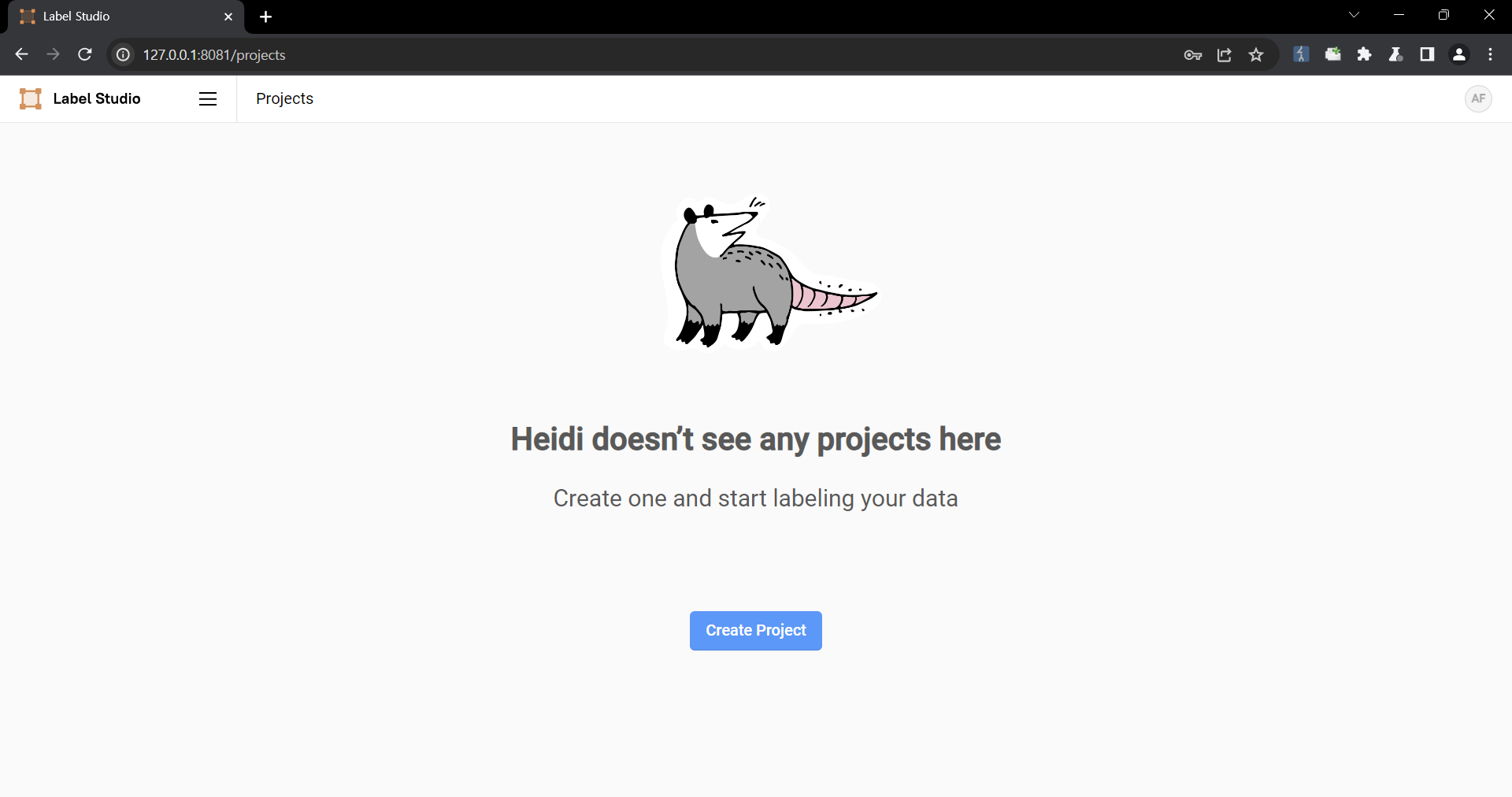
1. Create a project.
2. Upload a file containing the payload using the "Upload Files" function.
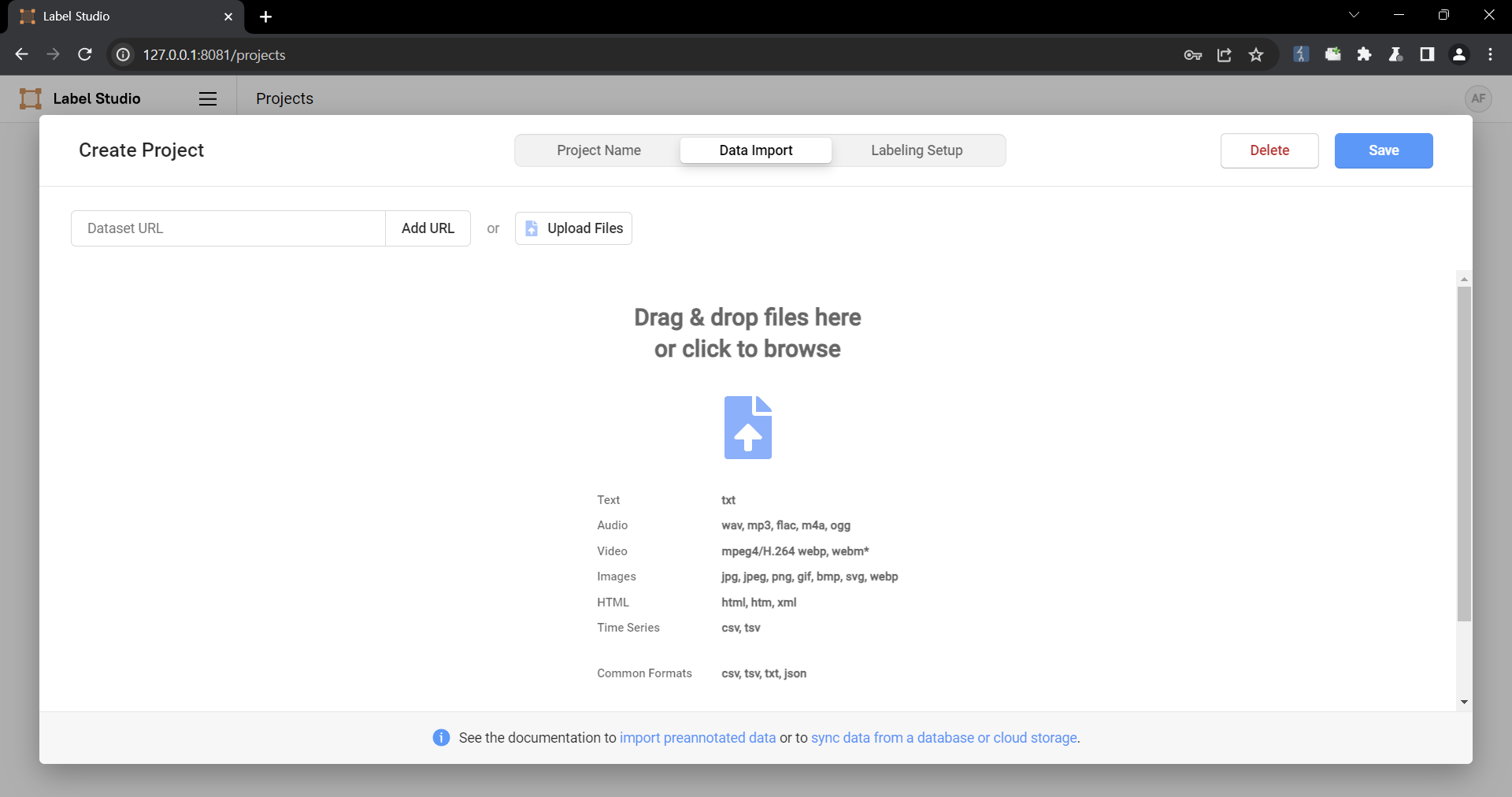
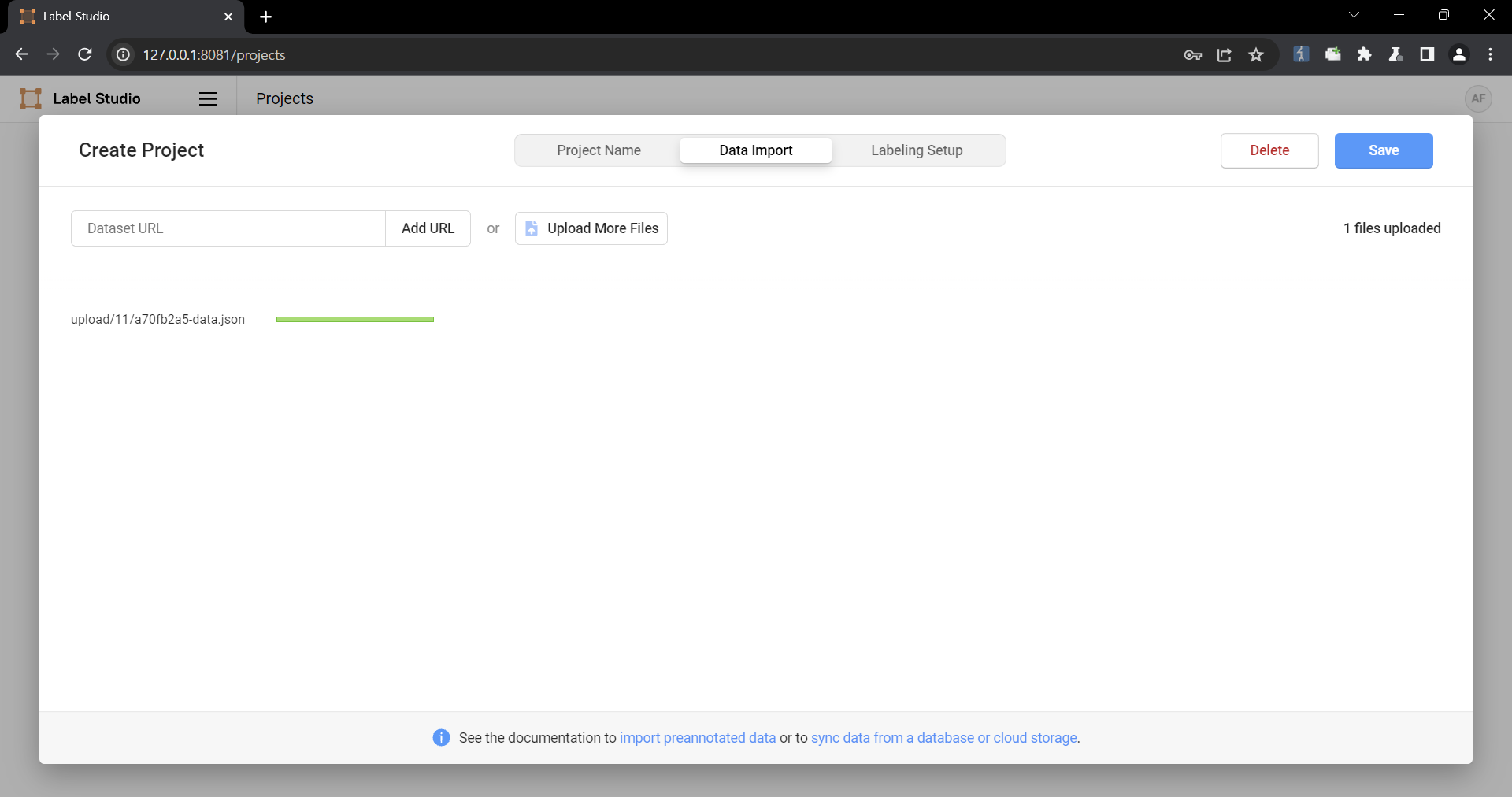
The following are the contents of the files used in the PoC
```
{
"data": {
"prompt": "labelstudio universe image",
"images": [
{
"value": "id123#0",
"style": "margin: 5px",
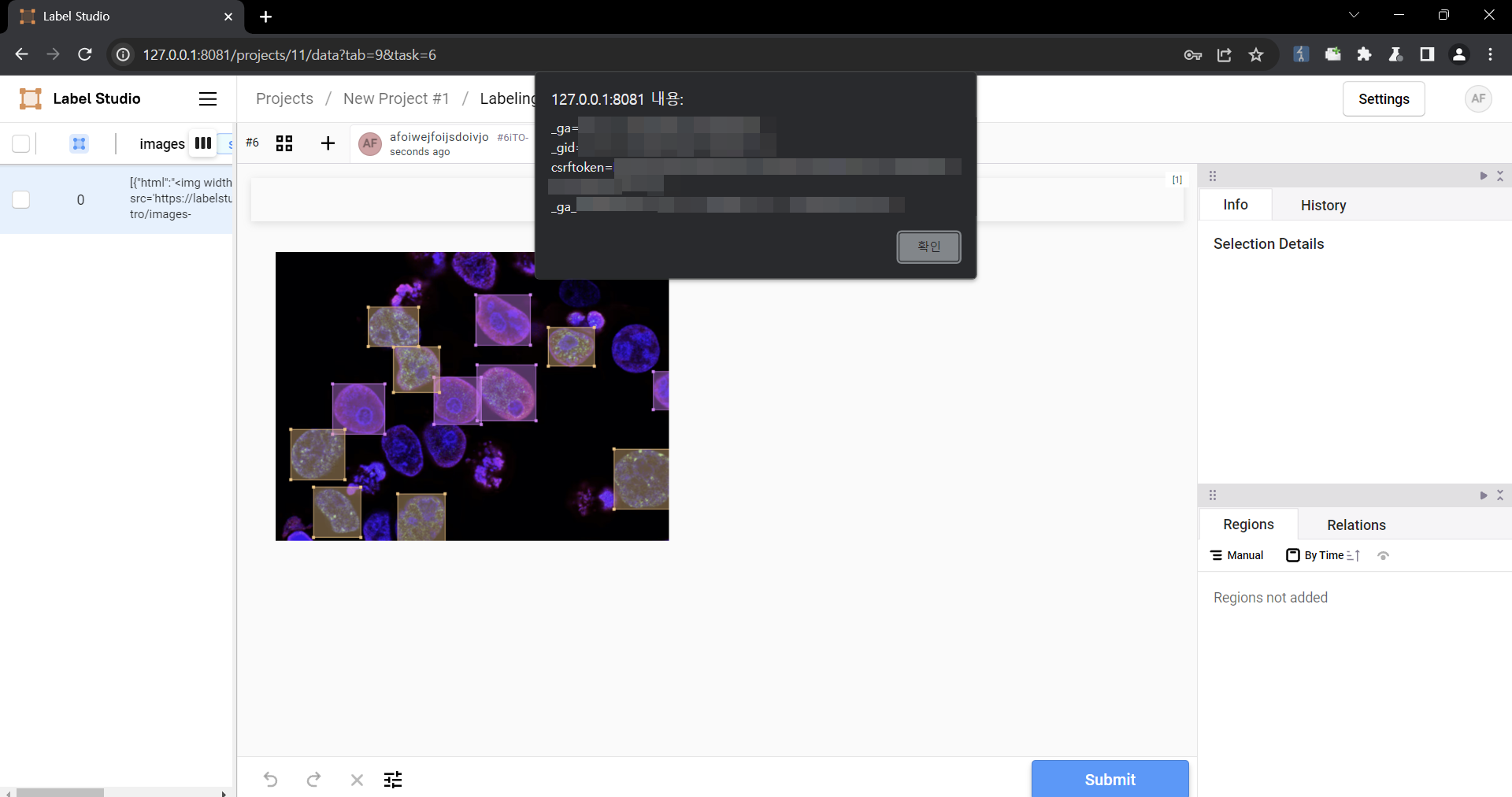
"html": "<img width='400' src='https://labelstud.io/_astro/images-tab.64279c16_ZaBSvC.avif' onload=alert(document.cookie)>"
}
]
}
}
```
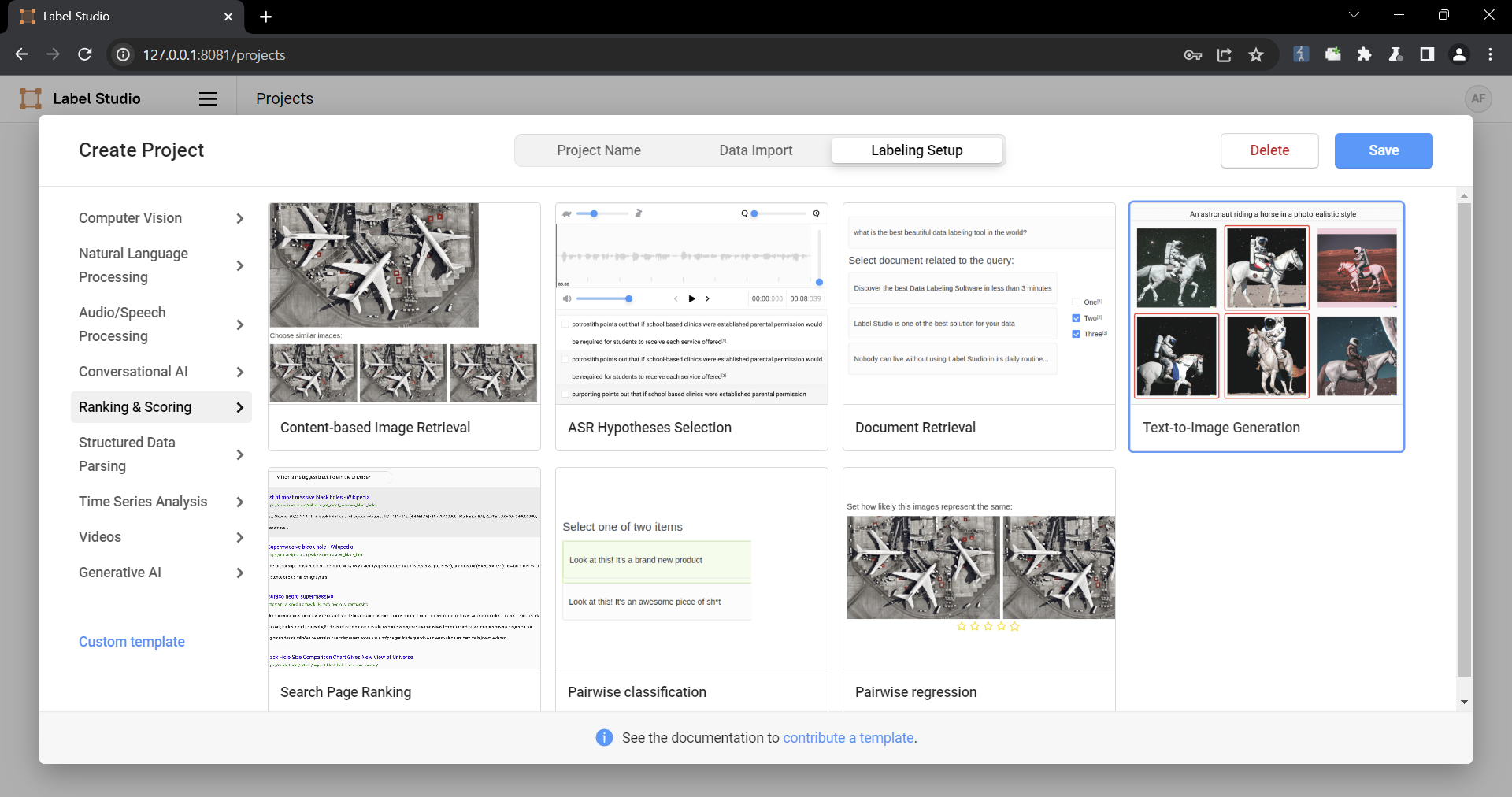
3. Select the text-to-image generation labeling template of Ranking and scoring
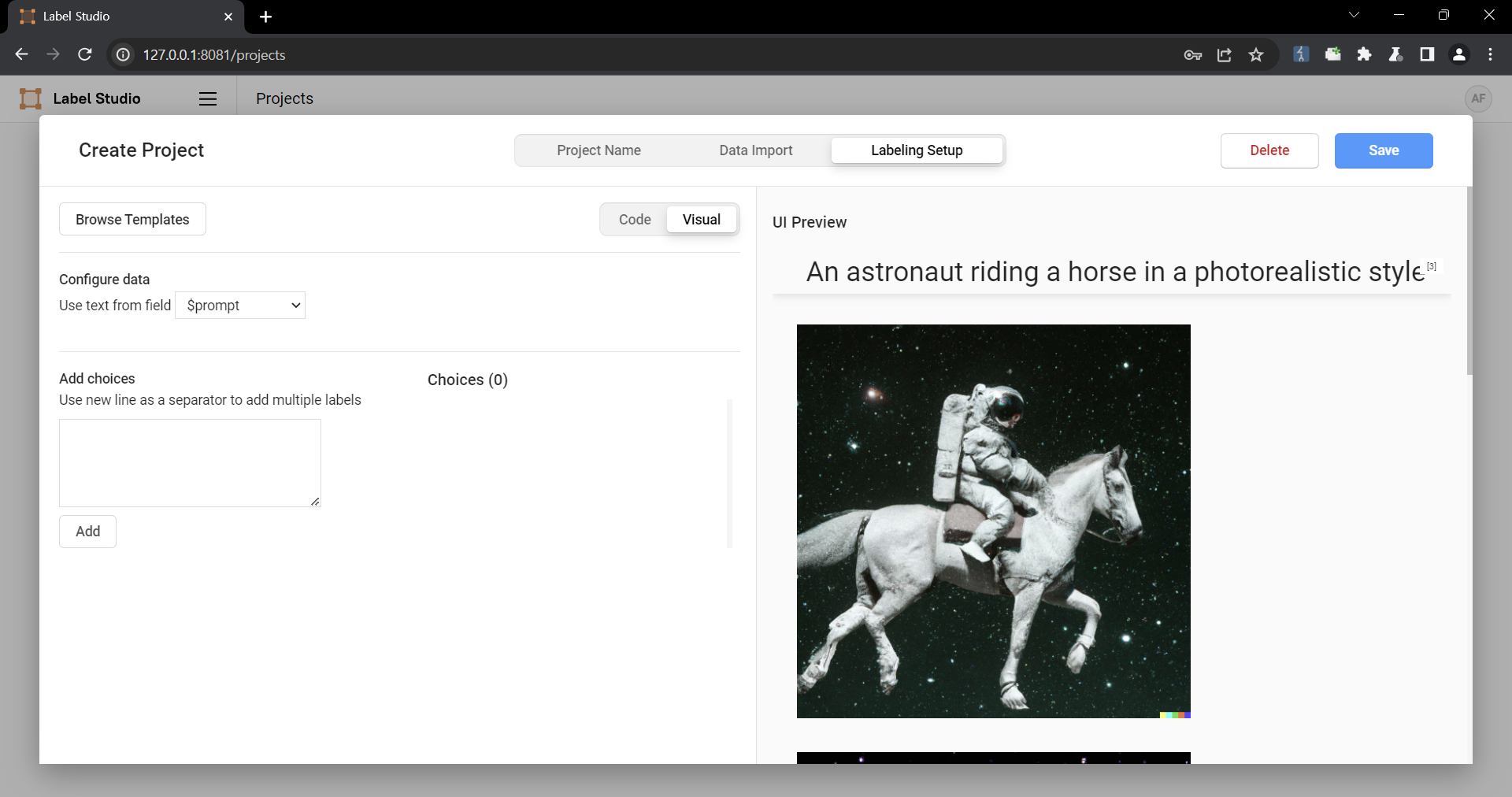
4. Select a task
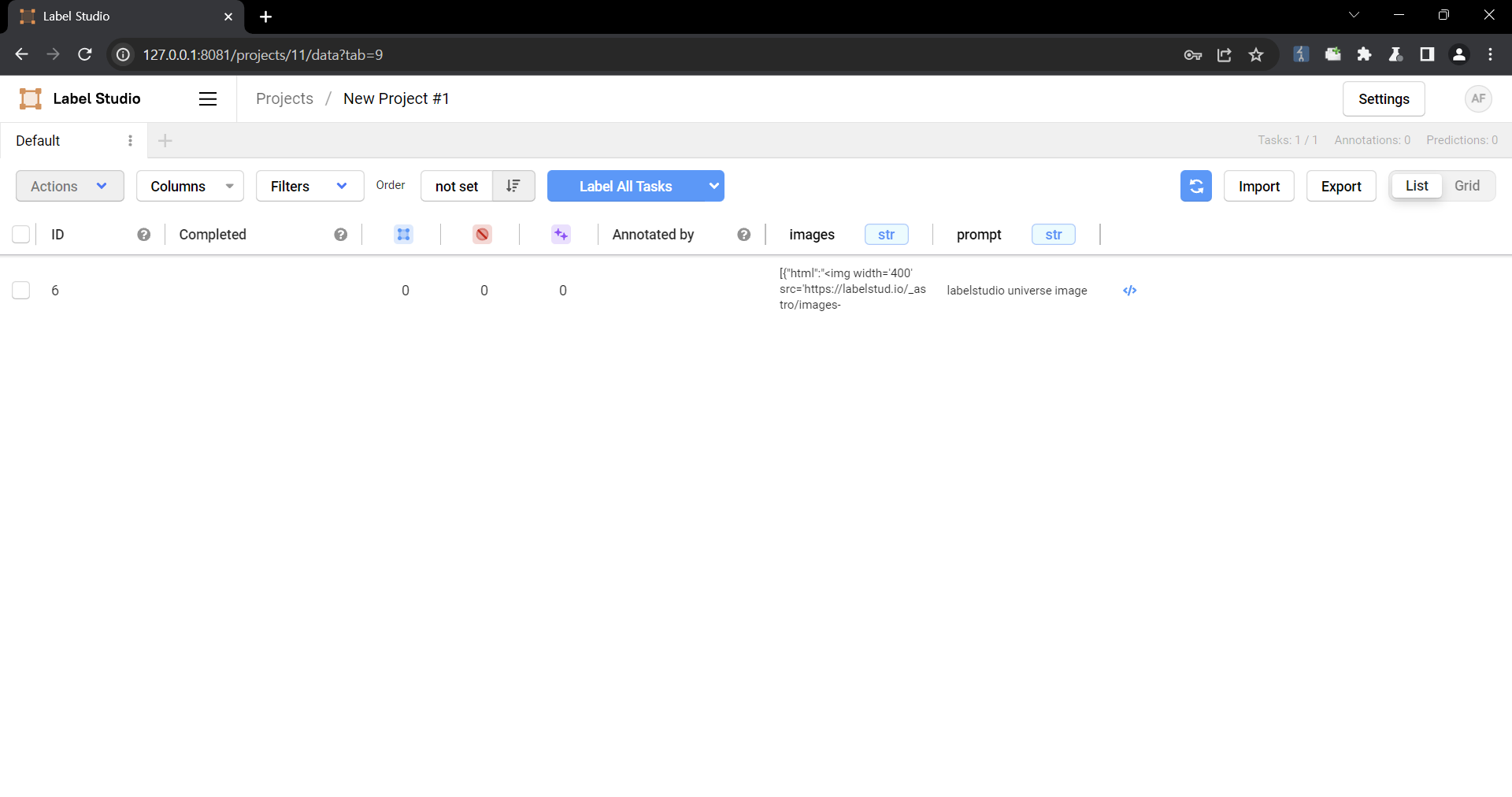
5. Check that the script is running
### Impact
Malicious scripts can be injected into the code, and when linked with vulnerabilities such as CSRF, it can cause even greater damage. In particular, It can become a source of further attacks, especially when linked to social engineering.
|
| Multiple Cross Site Scripting (XSS) vulnerabilities in ResIOT IOT Platform + LoRaWAN Network Server through 4.1.1000114 via the form fields. |
| Cross Site Request Forgery (CSRF) vulnerability in ResIOT ResIOT IOT Platform + LoRaWAN Network Server through 4.1.1000114 allows attackers to add new admin users to the platform or other unspecified impacts. |
| HCL MyXalytics is affected by sensitive information disclosure vulnerability. The HTTP response header exposes the Microsoft-HTTP API∕2.0 as the server's name & version. |
| HCL MyXalytics is affected by a weak input validation vulnerability. The application accepts special characters and there is no length validation. This can lead to security vulnerabilities like SQL injection, XSS, and buffer overflow. |
| HCL MyXalytics is affected by username enumeration vulnerability. This allows a malicious user to perform enumeration of application users, and therefore compile a list of valid usernames. |
| HCL MyXalytics is affected by an improper password policy implementation vulnerability. Weak passwords and lack of account lockout policies allow attackers to guess or brute-force passwords if the username is known. |
| HCL MyXalytics is affected by broken authentication. It allows attackers to compromise keys, passwords, and session tokens, potentially leading to identity theft and system control. This vulnerability arises from poor configuration, logic errors, or software bugs and can affect any application with access control, including databases, network infrastructure, and web applications. |
| HCL MyXalytics is affected by a session fixation vulnerability. Cyber-criminals can exploit this by sending crafted URLs with a session token to access the victim's login session. |
| HCL MyXalytics is affected by a session fixation vulnerability. Cyber-criminals can exploit this by sending crafted URLs with a session token to access the victim's login session. |
| HCL MyXalytics is affected by insecure direct object references. It occurs due to missing access control checks, which fail to verify whether a user should be allowed to access specific data. |
| HCL MyXalytics is affected by out-of-band resource load (HTTP) vulnerability. An attacker can deploy a web server that returns malicious content, and then induce the application to retrieve and process that content. |
